Myofascial Release Therapy
Why Fascia Matters
& Why It Changes Everything
What Fascia Actually Is
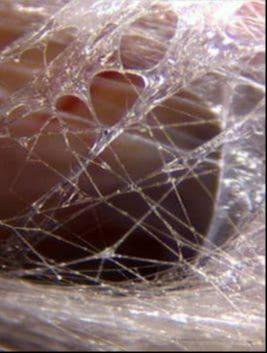
Fascia is the connective tissue system that wraps every one of your 28 to 36 trillion cells. Fascia is the connective tissue system that wraps every one of your 28 to 36 trillion cells. Understanding fascia is the foundation of Myofascial Release Therapy because this living connective tissue influences your movement, posture, mobility, and overall well-being. It's a syran wrap-like membrane that connects each cell and bathes it in interstitial fluid—the fluid that nourishes, informs, and sustains every living structure in your body.
For decades, scientists only studied fascia on cadavers. They missed everything that mattered. They missed that fascia is alive and constantly changing—shifting and reorganizing based on how you move, how you hold yourself, how you live in your body. Today, Myofascial Release Therapy, Structural Integration, and other body-centered approaches recognize fascia as one of the body's most important systems for movement, healing, and communication.
When fascia becomes injured or damaged, scar tissue can form in excess. Adhesions develop. The tissue becomes hard, tender, hot to the touch. Fascial restrictions. And these restrictions can exert pressure of up to 2,000 pounds per square inch—like an internal straight jacket wrapping your body tighter and tighter.
How Your Body Gets Stuck (And Why It's More Complex Than You Think)Your fascial system determines your mobility or your rigidity. Your motions are only as fluid as your fascial matrix.Here's what most people don't realize: when one area of your body gets injured or restricted, it doesn't stay isolated.Your body compensates.
A small restriction in your hip doesn't just affect your hip. It affects your low back. Your sacrum. Your ribcage. Your shoulders. Your neck. Because your body is a stacked architectural structure—segment upon segment—and it will do anything to stay upright and keep you moving.
When muscles and fascia on one side become hypertense and chronically flexed, the opposite side has to counter-balance to maintain vertical alignment. Your spine curves. Then it overcorrects. The ribcage on one side collapses while the ribs on the other side flare out. Your whole structure twists and rotates.
And here's the trap: each area that compensates develops differently over time. The compensation becomes the new normal. The dysfunction compounds. More restrictions develop above and below the original injury site. More muscle groups and fascial layers get involved. Your body becomes a locked pattern—a zig-zag of compensations stacked from your feet to your head.This is why a hernia surgery here, a broken collarbone there, years of sitting at a desk—all of it adds up. Your body learns to live in pain rather than healing it.
What Fascia Actually Holds
What Fascia Actually Holds
Here's what's profound: Your fascia doesn't just hold tissue. It holds everything.We hold stress in our fascia. We hold stored emotions and memories. Trauma. Fear. The moment your body learned it wasn't safe. That tension gets locked into specific areas for specific reasons unique to your own story.At a cellular level, fascia is conscious. Emotional and mental stress transfers through your fascial system. So does joy, pleasure, and happiness. When your fascia is bound and rigid, your nervous system reads that as danger. Something is wrong. Stay alert. You stay in a low-grade stress response indefinitely.But here's the opportunity: When your fascia is hydrated, fluid, and flexible, when it's in healthy communication with your cells and your consciousness, everything changes. You feel alive again. You feel safe. You feel free.
Why Traditional Approaches Fall Short
A typical Massage Therapy session works primarily with the muscles. Physical therapy addresses movement patterns. Some practitioners use deep pressure or aggressive fascial release techniques. While these approaches can be beneficial, lasting healing often requires addressing the fascia, nervous system, and the body's innate capacity to heal.
What Real Myofascial Release With Presence Actually Does
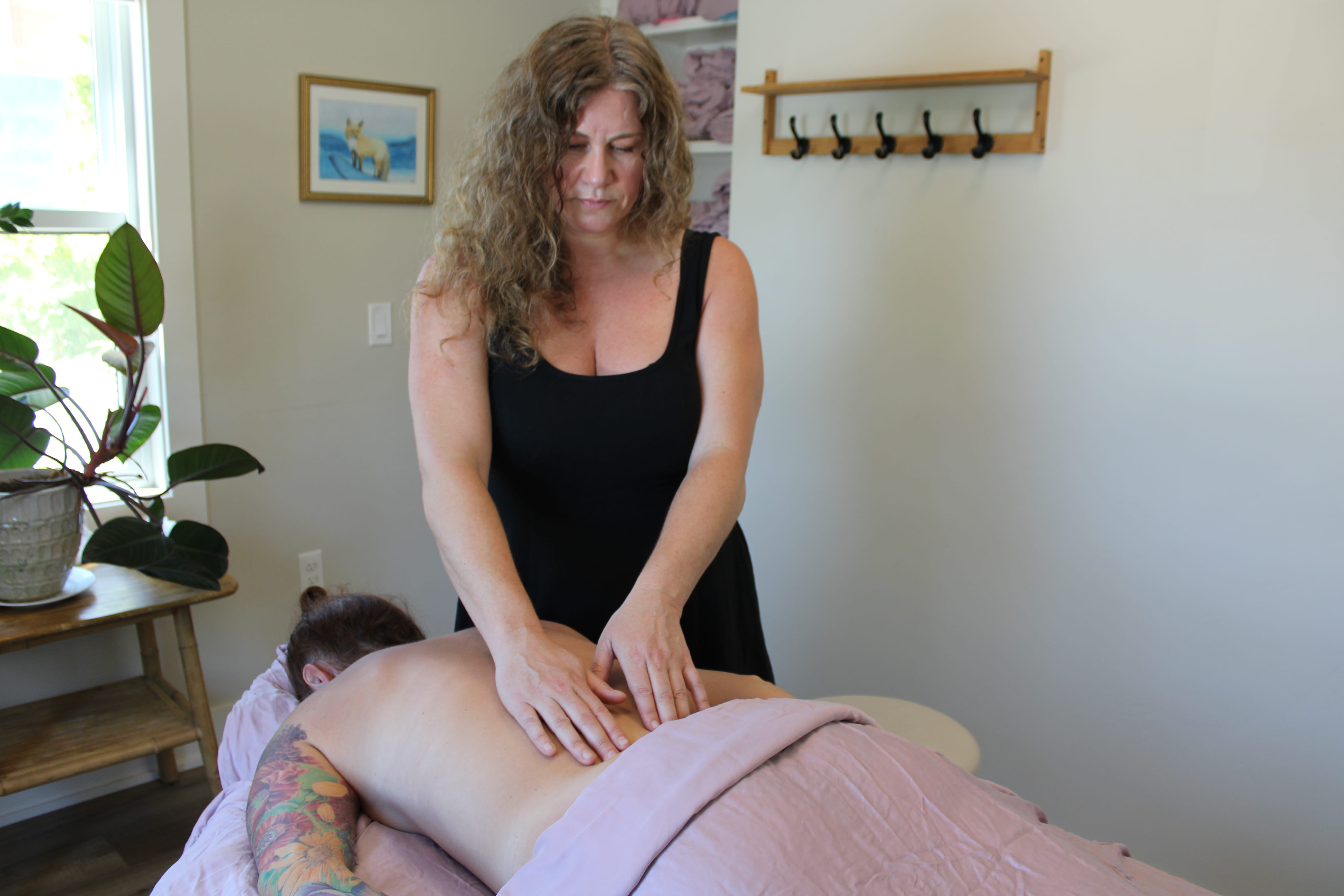
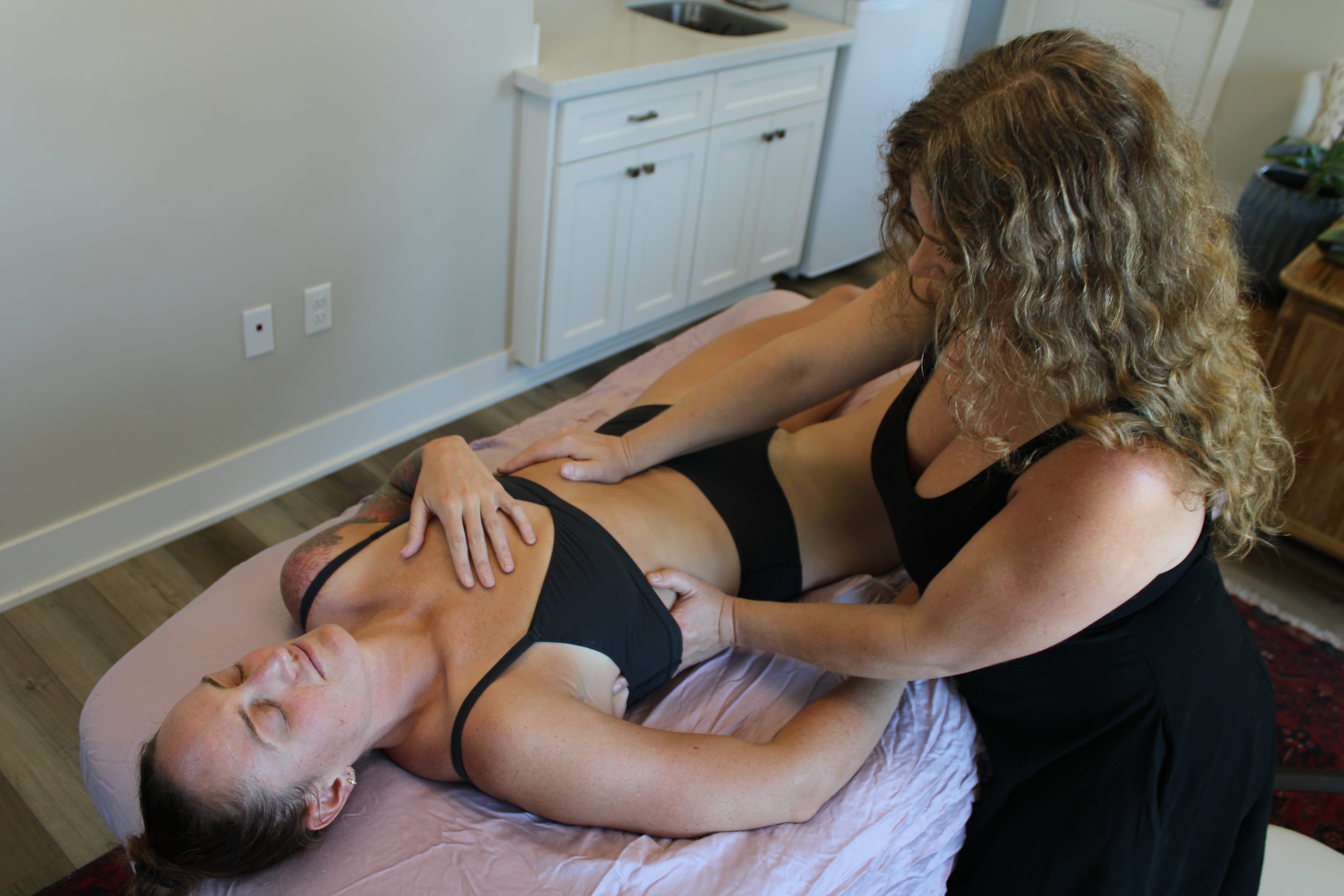
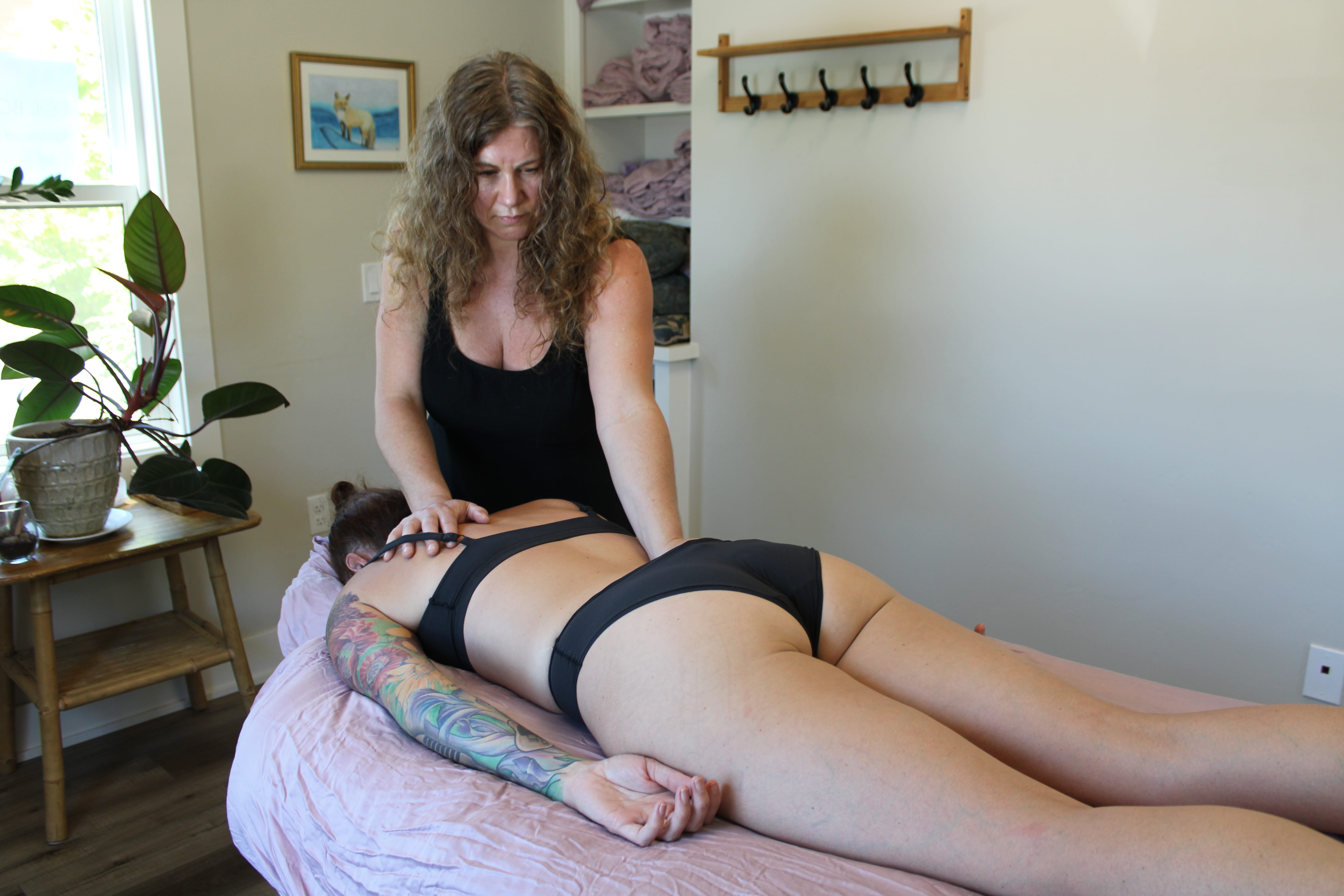
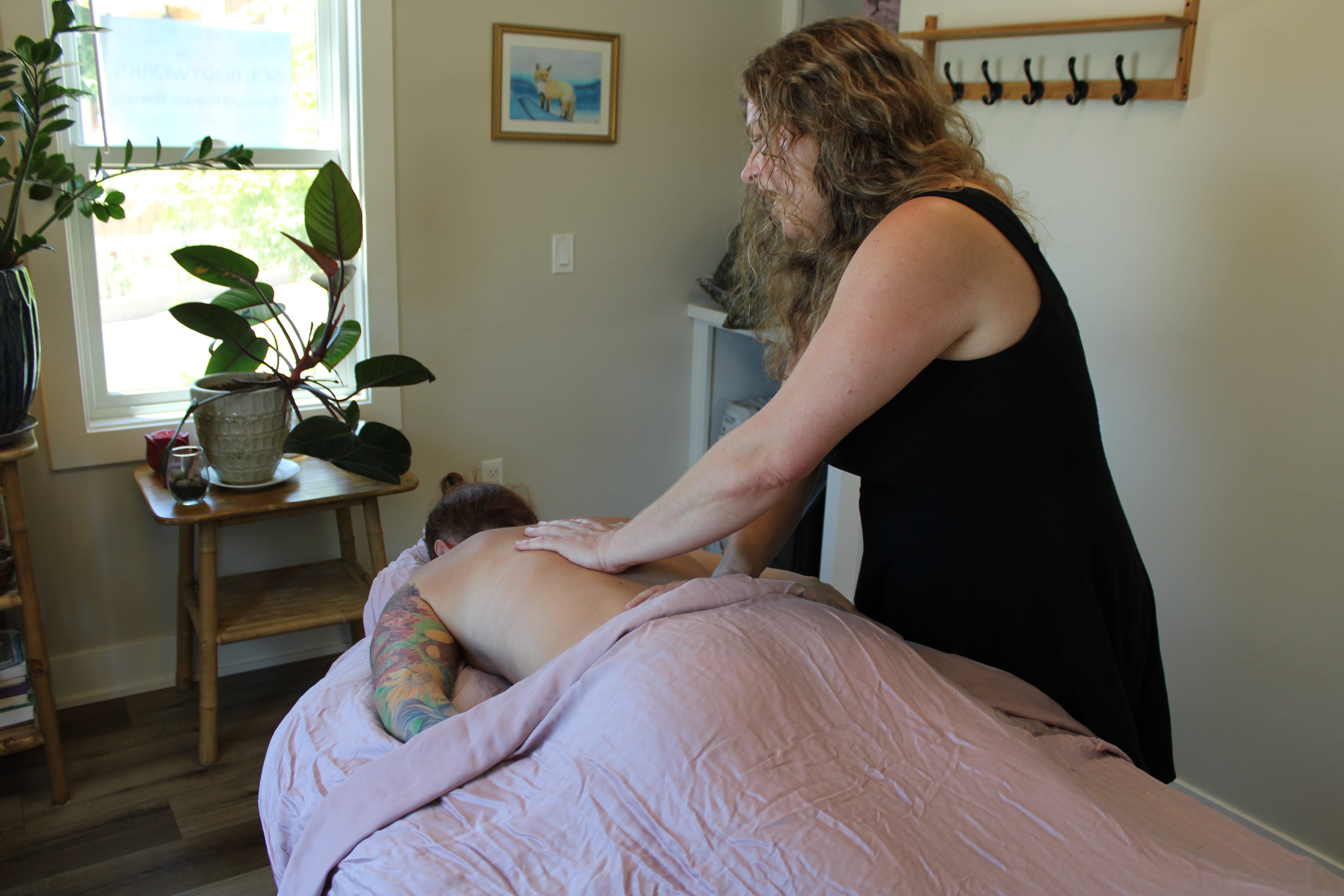
Myofascial Release is a specialized technique that works directly with the fascial system itself. But the way I practice it is fundamentally different. Drawing from more than 27 years of experience in Massage Therapy, Structural Integration, Zen Shiatsu, and holistic alternative health care, I combine advanced bodywork with Presence-Centered Awareness Therapy to support healing on every level.
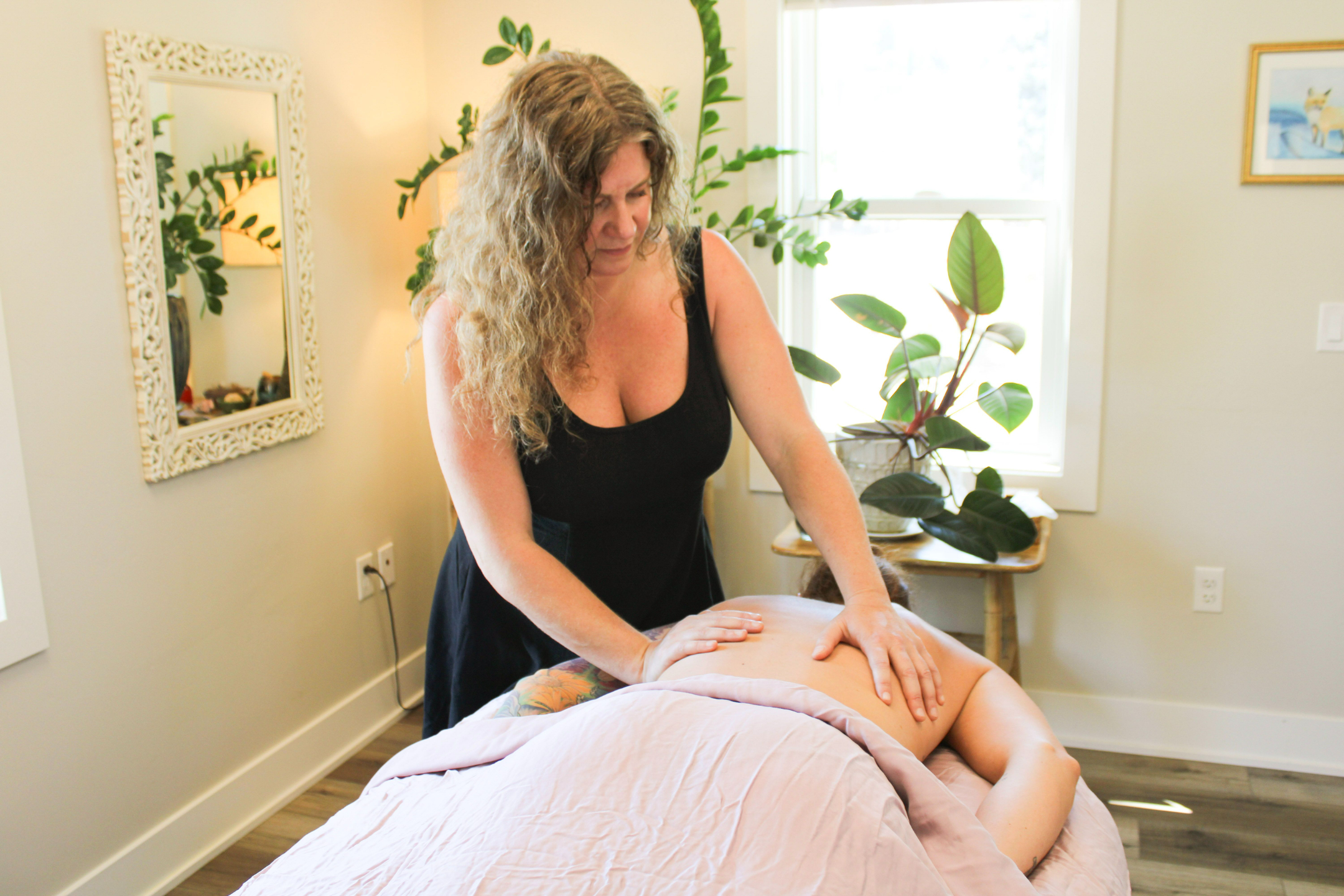
I use light to moderate pressure with little to no pain. While I release the fascia, I'm fully present with you. I listen to your tissue. I read your body. I follow where it needs to go rather than forcing it where I think it should be.
Here's what happens: Your nervous system receives a clear, embodied message. You're safe. I'm here. It's okay to let go. The tissue begins to trust that it doesn't need to grip so hard anymore. The fascia reorganizes. The restriction unwinds. The cellular memory of trauma begins to soften.But I also teach you Presence-Centered Awareness Therapy. This is where the real transformation happens.
In awareness, you sit and observe without judgment. You notice the stress and stored emotions in your body, but you're not caught in them. You're witnessing them from a place of peace and ease. You're not worried, tired, angry, resentful, or frustrated—you're observing those emotions and processing them efficiently so they don't stay housed in your body creating disease.
From this vantage point, you gain choice. You notice what stressful energy you're carrying. You notice the postures you take. You notice what you hold in your hip, your shoulder, your jaw. And instead of being unconsciously controlled by it, you can breathe through it. Release it. Choose differently.This is the fastest way to find peace and freedom.
Real Results From Real People
The Fracture Pelvis
One of my clients fractured her pelvis in three places in a skiing accident. Nearly two years later, she was in agony. Debilitated. She'd been to physical therapists and other myofascial release practitioners—all helped, but the treatments were incredibly painful. She'd lost hope.
After just 5 sessions with me, her mobility improved dramatically and her pain went down considerably. She came in and showed me she could lift her leg to put on her shoe. Balance on one foot. Do hula hoop moves. She was overjoyed.
What she told me was profound:
"The effects of your work are so pronounced because of how you hold me. I feel like layers are melting away on multiple levels. You hold me not only physically, but I can express and release emotions, mental patterns, and feel my spiritual body come alive. I can be my whole self—I can cry, I can laugh, I can be strong and vulnerable. You hold me in loving reverence. You make me feel seen, witnessed, comforted, not alone."


The Runner Who Forgot He Could Run
Then there's Henry. He came in because he used to run, but he didn't anymore. Three years without running. He'd been sitting at a computer all day. He was sore, tired, had two hernia surgeries, broken his collarbone a couple of times. His hip and the outside and back of one leg were in high-level pain.
When I assessed him, I saw the whole picture: His psoas and iliacus were in hypertension and chronic flexion. His glutes, piriformis, and the sacral attachments were locked tight. His scoliosis was collapsing one side of his body between his hips and his ribcage. His spine was pulled and twisted. His ribs were flaring. His body was doing its best to keep him upright, but it was doing it through years of compensation and pain.
Henry committed to treatment. He embraced the work. He started noticing his body throughout the day—the postures he took while sitting at his desk, the stressful energy moving through his tissue. He learned relaxation and consciousness techniques. He identified what he held in his hip and learned to breathe through it.
Over time, something shifted in him that went way beyond physical.He's now able to bike, walk, hike, and jog without pain. His spine has lengthened. He's taller, standing more upright, his head over his shoulders. But the bigger change is this: He's learning how to choose pleasure in his body.
For the past few sessions, he's elevated to a different place entirely. He's no longer in pain. He reports being in a sustained sensation and feeling of bliss. He's created an open communication pathway between his consciousness and his body via the fascia.
And here's what's beautiful: He's not measuring his success from the outside anymore. He's not in his logical engineer mind equating and contemplating. When he runs now, he's in his life-force. He's not afraid with each step. He's able to choose joy in his movements and to connect with the energy that's animating him—his breath.

The Sol State
What Your Body Actually Wants
Fascia thrives in what I call the Sol state—the free flow state. Where every part of you is in dynamic ease. Able to be agile. To relax. To be strong.
In the Sol state, your fascia is hydrated, pliable, fluid, flexible, strong, symmetrical, organized, and aligned. Your body has tensegrity—equal and positive tension that supports the integrity of each individual structure: each cell, each fiber, each bundle, each tendon, muscle, ligament, bone.
At every layer of fascia, at the fluid that bathes each cell, you want harmony. You want things running smoothly. Like a community. Like a team.
This is what Myofascial Release Therapy and healthy fascial release can support: a body that moves with greater ease, resilience, balance, and vitality.
Why MFR Supports The Whole You
Because your body's medium is fascia, it is essential to have fascial health to support every one of the systems of your body.
When you get treated with MFR, you get:
Physical relief
Pain goes down, mobility returns, inflammation subsides
Nervous system settling
Your body learns it's safe again.
Emotional processing
Stored emotions and memories release
Consciousness reconnecting
You hear your body's voice clearly
Real transformation
You're not just fixed; you're awakened

Individual attention
You're treated as a unique person with a unique story, not a diagnosise
You feel held. Heard. Seen. For your specific symptoms. For your whole self.
If You're In Pain, You Don't Have To Be
If you're experiencing pain, inflammation, immobility, mystery pains—if you've been struggling for months or years—you don't have to live like this.Your fascia can release. Your restrictions can unwind. Your body can remember its Sol state—that free flow, that ease, that joy.It takes commitment. It takes presence. It takes listening to your body instead of pushing through. But the transformation is real.I watch people every day choose to heal and get treated with MFR. I see the layers melt away. I see the joy return. I see them running again, hiking again, choosing pleasure in their bodies again.I see them come home to themselves.
Ready to Feel the Difference?
Book your Myofascial Release Treatment 70 minutes of MFR & embodied presence. Feel what your body is capable of when it finally has permission to soften, to be heard, to come home.
Book Now